
Beef Tallow - Pork Lard - Chicken Fat: Which One Tastes Better and Fits Each Dish?
Beef Tallow - Pork Lard - Chicken Fat: Which One Tastes Better and Fits Each Dish?
In Vietnamese and Asian cooking, fats are more than just a source of heat — they define aroma, texture, and the soul of a dish. Among all cooking fats, beef tallow, pork lard, and chicken fat are the three most commonly used because each offers a unique flavor, stability, and suitability for different recipes.
Whether you're a home cook or a food manufacturer, choosing the right type of fat can elevate your dish and optimize cost, frying stability, and product quality. This guide breaks down the taste, smoke point, best uses, pros and cons, and how to pick the most suitable fat for your culinary needs.
1. What Makes These Animal Fats Different?
In Vietnamese and Asian cuisine, animal fats play an essential role because they do more than provide heat. They shape the aroma, richness, color, and texture of each dish. Although all come from animals, beef tallow, pork lard, and chicken fat have very different characteristics, from their distinctive flavors and cooking stability to their suitability for different types of dishes. Understanding these differences helps home cooks choose the right fat for every recipe, and also allows restaurants and food manufacturers to improve flavor, cooking performance, and cost efficiency.
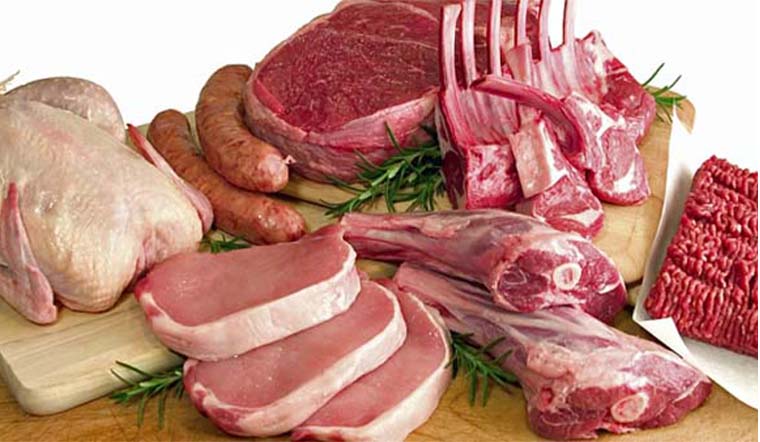
Here are the main differences among the three most popular animal fats today:
- Flavor: Beef tallow is rich and beefy. Pork lard is mild with a slight sweetness. Chicken fat is light and aromatic.
- Smoke point: Beef tallow has the highest smoke point and works well for deep frying. Pork lard is suitable for stir frying. Chicken fat performs best at medium heat.
- Texture: Beef tallow is firm. Pork lard is soft. Chicken fat melts quickly.
- Usage: Beef tallow is ideal for frying. Pork lard fits daily cooking. Chicken fat enhances soups and rice dishes.
Understanding the unique properties of each fat helps you choose the right ingredient for each dish while improving control over flavor, color, crispness or tenderness, and overall cooking efficiency. Knowing which fat works well for frying, which fat is best for stir frying, and which fat enhances broths or rice makes it easier to create delicious and consistent dishes whether you are cooking at home, working in a restaurant kitchen, or producing food on a larger scale.
2. Beef Tallow
Beef tallow is one of the most robust and versatile animal fats used in both Asian and Western cuisine. Known for its strong heat resistance, naturally savory aroma and stable structure, beef tallow has become a preferred choice not only in home cooking but also in restaurant kitchens and industrial food manufacturing. Its ability to deliver consistent performance under high temperatures makes it particularly valuable for deep frying, searing and producing specialty food products.
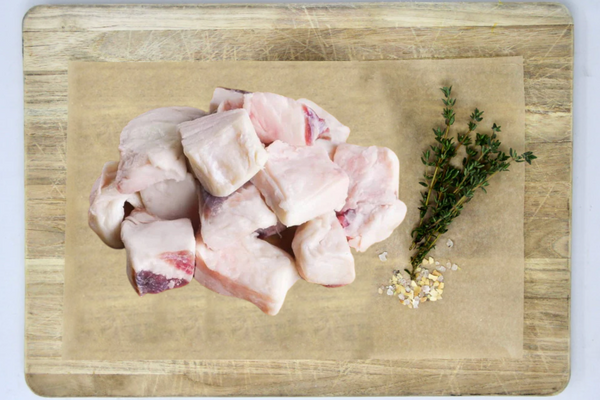
Flavor Profile
Beef tallow carries a deep, characteristic beef aroma that enhances the richness of many dishes. Unlike neutral vegetable oils, it adds a noticeable savory depth that pairs especially well with grilled meats, fried foods and roasted dishes. This unique flavor profile is also why it is widely used to elevate the taste of fast food fries, traditional street snacks and premium culinary creations.
Smoke Point and Heat Stability
With a smoke point of approximately 250°C, beef tallow is one of the most heat-resistant cooking fats available. It can endure prolonged frying sessions without breaking down, oxidizing or producing off flavors. This stability makes it suitable for high-volume frying operations, where maintaining oil quality and consistency is essential. Its resistance to rancidity also contributes to longer shelf life and reduced waste in commercial kitchens.
Texture, Structure and Kitchen Performance
Beef tallow is firm and opaque at room temperature due to its saturated fat content. When heated, it melts into a clear liquid that coats ingredients evenly and promotes beautifully crisp, golden textures. Foods fried in beef tallow often have superior crunch and longer-lasting crispness compared to those fried in vegetable oils. It also enhances browning, moisture retention and mouthfeel, resulting in richer and more visually appealing dishes.
Best Applications in Cooking and Industry
Beef tallow is widely used across multiple culinary and manufacturing contexts thanks to its performance, flavor and efficiency:
-
Deep frying potatoes, breaded meats, chicken and snacks
-
High heat searing of steaks, stir fries and grilled dishes
-
Making traditional foods such as bánh tiêu, bánh quẩy, bánh rán
-
Blending with vegetable oils to create premium frying oil formulations
-
Producing instant noodles, ready-to-eat foods and snack coatings
-
Crafting sauces, bouillons and seasoning bases that require beef aroma
Beef tallow’s combination of rich flavor, high heat stability and broad versatility makes it an essential fat for both everyday cooking and large-scale food production. Whether it is used to create consistently crispy fried foods, enrich the taste of grilled and stir fried dishes, or build flavor bases for industrial food formulations, beef tallow delivers dependable performance across a wide range of applications. Its ability to maintain quality under intense heat, extend frying life and enhance product aroma also makes it a cost-effective and reliable choice for restaurants, food processors and manufacturers seeking both efficiency and superior culinary results.
3. Pork Lard
Pork lard is one of the most widely used cooking fats in Vietnamese and Asian cuisine thanks to its mild flavor, smooth texture and excellent compatibility with everyday dishes. Unlike strongly aromatic fats, pork lard brings a gentle richness that enhances food without overpowering natural flavors, making it a versatile choice in both household cooking and professional kitchens. Its balance of taste, functionality and affordability keeps it highly favored across traditional dishes, street food and modern food manufacturing.

Flavor Profile
Pork lard has a mild, slightly sweet aroma that blends seamlessly into a variety of dishes. It enhances natural flavors rather than dominating them, giving foods a pleasant depth and richness. This makes it especially suitable for stir fries, sautéed vegetables, noodles and rice dishes, where subtle enhancement is preferred over strong, assertive flavors.
Smoke Point and Heat Performance
With a smoke point around 190°C to 205°C, pork lard handles medium to medium-high heat well. While not as heat resistant as beef tallow, it is stable enough for most daily cooking tasks such as pan frying, sautéing and shallow frying. Its smooth melting behavior and clean finish make it a favorite in home kitchens and food stalls that need reliable fat for frequent use throughout the day.
Texture, Structure and Cooking Behavior
Pork lard is soft and creamy at room temperature, melting quickly into a clear, lightweight oil. This physical structure gives dishes a glossy finish and helps ingredients cook evenly without drying out. Pork lard also supports good browning and moisture retention, resulting in tender meats, fragrant fried rice and beautifully textured stir fries.
Best Applications in Cooking and Industry
Pork lard is highly adaptable and works well across many types of dishes and food production processes. Its mild aroma and clean cooking performance make it suitable for:
-
Everyday Vietnamese home cooking
-
Stir fries, pan frying and sautéing
-
Making bánh mì pate, bánh tráng trộn, xôi mỡ
-
Enhancing noodle dishes, fried rice and soups
-
Creating flaky textures in pastries and traditional baked goods
-
Producing cooking oil blends, seasoning pastes and ready-to-eat meals
Its wide usability and cost efficiency also make pork lard a reliable option for restaurants, food stalls and food processors seeking consistent results.
Closing Sentence
Pork lard’s gentle flavor, balanced heat performance and versatility make it an indispensable fat for daily cooking as well as a practical, cost-effective ingredient in large-scale food processing and product formulation.
4. Chicken Fat
Chicken fat is a light, aromatic and flavorful cooking fat widely used in Vietnamese and Asian cuisine. Compared to beef tallow and pork lard, chicken fat has a gentler profile and melts quickly, giving dishes a subtle golden color and a naturally savory fragrance. Its clean and delicate taste makes it ideal for soups, rice dishes and sautéed ingredients that require fragrance without heaviness. In both home kitchens and industrial production, chicken fat is valued for its ability to enhance umami, improve mouthfeel and elevate the overall flavor experience.

Flavor Profile
Chicken fat delivers a warm, comforting aroma often associated with homemade soups and traditional Asian dishes. It provides a soft, savory depth that boosts umami without making the dish feel greasy. Because it blends smoothly with seasonings and broths, chicken fat is preferred in dishes where fragrance is essential, such as chicken rice, noodle soups and stir fried vegetables.
Smoke Point and Heat Performance
With a smoke point of around 180°C, chicken fat performs best at medium heat. While not ideal for high temperature deep frying, it excels in gentle cooking methods where controlled heat allows its aroma to fully develop. Its relatively low oxidation rate and clean finish make it suitable for slow cooking, simmering and daily sautéing.
Texture, Structure and Culinary Behavior
Chicken fat is soft and melts very quickly, turning into a light, golden oil that coats ingredients evenly. This characteristic makes dishes more flavorful and aromatic while maintaining a delicate, silky texture. It also enhances the richness of broths and contributes to the glossy appearance of stir fried dishes, rice preparations and seasoning blends.
Best Applications in Cooking and Industry
Thanks to its aroma, lightness and compatibility with Asian flavors, chicken fat is widely used in:
-
Chicken rice, fried rice and aromatic rice dishes
-
Broths, soups, phở, hủ tiếu, mì nước
-
Stir fried vegetables, noodles and side dishes
-
Making nước mỡ gà for bún mì quán ăn
-
Enhancing seasoning powders, bouillons and instant noodles
-
Creating flavor bases for ready-to-eat meals and culinary sauces
Its ability to deliver authentic chicken fragrance makes it especially popular in food manufacturing, where flavor consistency is crucial.
Closing Sentence
Chicken fat’s delicate aroma, quick-melting texture and natural umami-enhancing properties make it a valuable ingredient for both traditional home cooking and industrial food production, especially in dishes and products that rely on authentic chicken flavor and a light, fragrant finish.
5. Comparison Table
| Criteria | Beef Tallow | Pork Lard | Chicken Fat |
|---|---|---|---|
| Flavor Profile | Strong, savory beef aroma; rich and bold | Mild, slightly sweet; blends well with most dishes | Light, fragrant, naturally savory; boosts umami |
| Smoke Point | Very high (≈250°C) | Medium to high (190–205°C) | Medium (≈180°C) |
| Heat Stability | Excellent for prolonged high heat | Good for daily cooking | Best for moderate heat |
| Texture at Room Temp | Firm, solid | Soft and creamy | Very soft; melts quickly |
| Cooking Behavior | Creates crisp, golden textures; resists oxidation | Adds gloss, moisture retention and smooth finish | Adds fragrance, enhances broth and rice dishes |
| Best Uses | Deep frying, searing, grilling, industrial frying blends | Stir frying, pan frying, pastries, everyday meals | Soups, broths, fried rice, noodles, seasoning bases |
| Industrial Applications | Instant noodles, snacks, frying oils, bouillons | Cooking oil blends, ready meals, pastries | Bouillons, instant noodles, seasoning powders |
| Aroma Intensity | Strongest | Moderate | Lightest |
| Suitability for Vietnamese Cuisine | Great for crispy street foods | Ideal for daily cooking | Perfect for soups and rice dishes |
6. Which One Should You Choose?
Choosing the right animal fat depends on the dish you are preparing, the heat level required and the flavor you want to highlight. Each type of fat offers its own advantages, and understanding these differences helps you optimize both taste and cooking performance.
- Beef tallow is the best choice when you need strong heat resistance and bold flavor. It is ideal for deep frying, high heat searing and dishes that benefit from a rich, savory aroma.
- Pork lard is the most versatile option for everyday cooking. Its mild flavor makes it suitable for stir frying, pan frying, sautéing and a wide range of Vietnamese home dishes.
- Chicken fat is perfect when fragrance and umami are the priority. It shines in soups, broths, rice dishes and gentle stir fries where a light, aromatic finish is desired.
For home kitchens, restaurants and food manufacturers alike, selecting the right fat can significantly improve the final result of your dish. By matching each type of fat to the appropriate cooking method, you ensure better flavor, texture and overall efficiency in both culinary and industrial applications.
7. Conclusion
Animal fats play an essential role in both Vietnamese cuisine and modern food production, each bringing its own unique combination of flavor, heat performance and culinary value. Beef tallow stands out for its exceptional stability and bold aroma, making it ideal for high heat applications and industrial frying. Pork lard remains the most versatile choice for daily cooking thanks to its mild flavor and balanced heat tolerance. Meanwhile, chicken fat offers a light, fragrant richness that enhances soups, rice dishes and recipes that rely on delicate umami.
Understanding these differences allows home cooks, restaurants and food manufacturers to select the right fat for each purpose, achieving better flavor, improved texture and more consistent results. Whether you are optimizing a menu, developing a food product or simply preparing meals at home, choosing the appropriate fat is a simple yet powerful way to elevate the final quality of every dish.
8. About Rich Moon Co., Ltd
Rich Moon Co., Ltd is a leading Vietnamese exporter of high-quality oils and fats, supplying global customers in pet food, aquafeed, biodiesel, soap, cosmetics and industrial sectors.
Our main product range includes:
- Fish Oil – Crude, Semi Olein, Refined Olein, Semi Stearin, Refined Stearin, High Acid Fish Oil
- Coconut Oil – Crude, Refined, Virgin Coconut Oil (VCO), Coconut Fatty Acid Distillate (CFAD)
- Beef Tallow – Crude and Refined
- Used Cooking Oil (UCO)
- Rice Bran Oil – Crude and Refined
- Cashew Shell Oil – Crude and Refined
- Sacha Inchi Oil
We focus on consistent quality, stable supply, competitive pricing and reliable documentation (COA, MSDS, COO, Phytosanitary, SGS inspection, etc.).
9. Contact
Ms. Jade – Sales Executive
📧 Email: sale1@richmoon.com.vn
📱 Phone / WhatsApp / Zalo / WeChat: +84 833 997 879
🌐 Website: https://richmoon.com.vn
🏢 Headquarters: 270/4i Le Dinh Can Street, Tan Tao Ward, Binh Tan District, Ho Chi Minh City, Vietnam
Feel free to contact Ms. Jade for quotations, COA, MSDS, packing options or sample requests.
Views: 3741







-490.png "Applications of Rice Bran Oil in Industrial Manufacturing – Complete 2025 Guide")