Refined Fish Oil vs Crude Fish Oil — What’s the Difference?
- 🐟 Refined Fish Oil vs. Crude Fish Oil — What’s the Difference?
- Table of Contents
- ⭐ 1. Introduction
- ⭐ 2. What Is Crude Fish Oil?
- ⭐ 3. What Is Refined Fish Oil?
- ⭐ 4. Key Differences Between Crude & Refined Fish Oil
- ⭐ 5. Which Type Should You Choose?
- ⭐ 6. Specifications Buyers Should Check
- ⭐ 7. Packaging Options for Export
- ⭐ 8. Conclusion
- ⭐ 9. Call to Action (CTA)
🐟 Refined Fish Oil vs. Crude Fish Oil — What’s the Difference?
Refined Fish Oil vs. Crude Fish Oil: Key Differences, Uses & Specifications 2025
Discover the main differences between refined and crude fish oil, including color, purity, applications, specifications, refining steps, and the best choice for feed mills, biodiesel plants, cosmetics, and food manufacturers.

Table of Contents
-
Introduction
-
What Is Crude Fish Oil?
-
What Is Refined Fish Oil?
-
Key Differences Between Crude & Refined Fish Oil
-
Which Type Should You Choose?
-
Specifications & Quality Parameters
-
Packaging Options for Export
-
Conclusion
-
Call to Action
⭐ 1. Introduction
Fish oil is one of the most important by-products of the global seafood processing industry. Depending on the level of purification, it is categorized into crude fish oil and refined fish oil, each serving very different markets—from biodiesel and animal feed to cosmetics and human nutrition.
Understanding the differences helps buyers choose the right grade and avoid costly mistakes.
⭐ 2. What Is Crude Fish Oil?

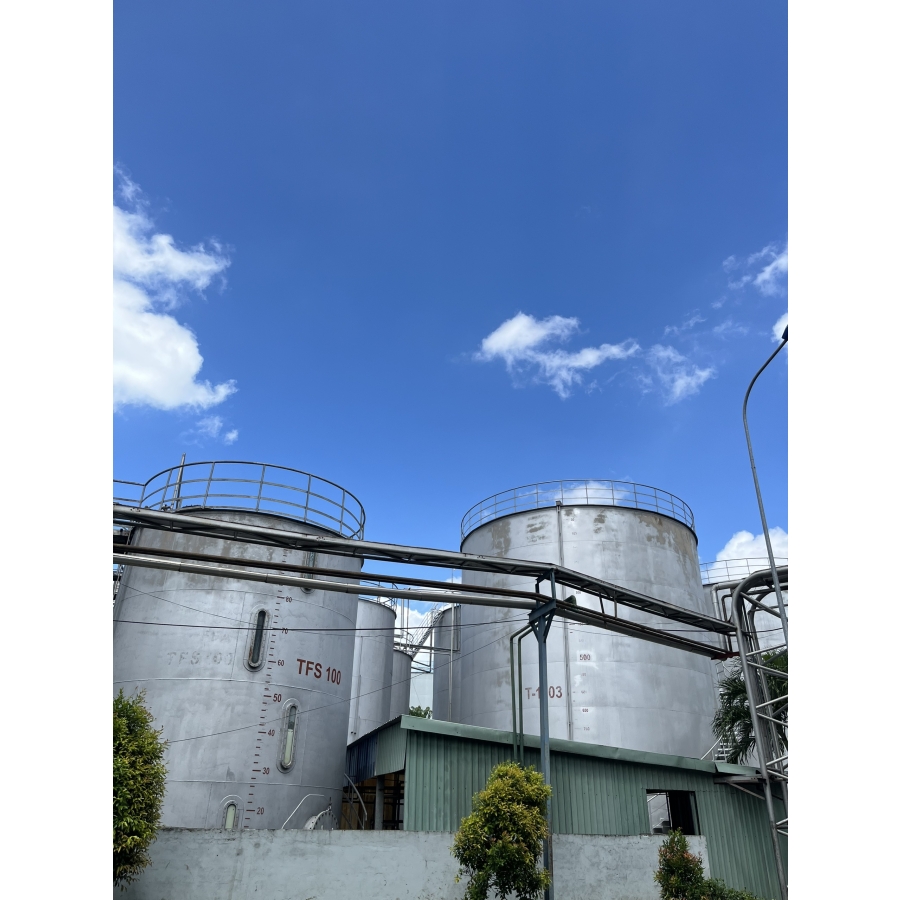
Crude fish oil is the raw, unrefined oil extracted directly from fish by-products such as:
-
fish trimmings
-
viscera
-
skin
-
bones
-
pangasius by-products (Vietnam’s major source)
Characteristics
-
Color: Dark yellow to brown
-
Odor: Strong fishy smell
-
Purity: Contains impurities (FFA, moisture, sediments)
-
Cost: More affordable
-
Applications:
-
Aquafeed & animal feed
-
Pet food
-
Biodiesel
-
Industrial oils & lubricants
-
Leather treatment
-
Crude fish oil is ideal for industries that require energy value, not purity.
⭐ 3. What Is Refined Fish Oil?

Refined fish oil undergoes a multi-step purification process to remove impurities, color, odor, and contaminants—making it suitable for food, cosmetic, and pharmaceutical applications.
Refining Steps
-
Degumming – remove phospholipids
-
Neutralization – reduce FFA
-
Bleaching – remove pigments
-
Winterization – separate saturated fats
-
Deodorization – eliminate strong odor
-
Polishing/Filtration – achieve clarity
Characteristics
-
Color: Light yellow to almost transparent
-
Odor: Mild or odorless
-
Purity: Low FFA, low impurities
-
Cost: Higher
-
Applications:
-
Omega-3 supplements
-
Food enrichment
-
Cosmetics & skincare
-
Pharmaceuticals
-
Premium pet food
-
Refined oil meets strict standards such as HACCP, GMP, and food safety regulations.
⭐ 4. Key Differences Between Crude & Refined Fish Oil
| Criteria | Crude Fish Oil | Refined Fish Oil |
|---|---|---|
| Color | Dark yellow → brown | Light yellow → clear |
| Odor | Strong fish smell | Mild or neutral |
| Impurities | High (FFA, sediments) | Low (purified) |
| Applications | Feed, biodiesel, industrial | Food, pharma, cosmetics |
| Price | Low | Higher |
| Shelf Life | Shorter | Longer |
| Safety | Basic standards | Strict standards (HACCP, GMP) |
This makes the two types non-interchangeable depending on the industry.
⭐ 5. Which Type Should You Choose?
✔ Choose Crude Fish Oil If You Are…
-
a feed mill
-
a biodiesel producer
-
an industrial oil manufacturer
-
a leather or chemical factory
-
controlling production costs
Reason: You need high energy value, not purity.
✔ Choose Refined Fish Oil If You Are…
-
a food manufacturer
-
a supplement brand
-
a skincare or cosmetic company
-
a pharmaceutical producer
-
a premium pet food manufacturer
Reason: High purity, mild odor, safety compliance.

⭐ 6. Specifications Buyers Should Check
Crude Fish Oil Typical Specs
-
FFA: 5–10%
-
Moisture & Impurities: 1–3%
-
Iodine value: 100–140
-
Peroxide value: ≤10 meq/kg
-
Lovibond color: high
-
Density: 0.92–0.96 g/cm³
Refined Fish Oil Typical Specs
-
FFA: <0.5%
-
Moisture: <0.1%
-
Odor: mild
-
Peroxide value: <5 meq/kg
-
Heavy metals: controlled
-
Acid value: very low
-
Color: clear/light
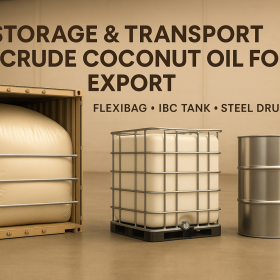
⭐ 7. Packaging Options for Export
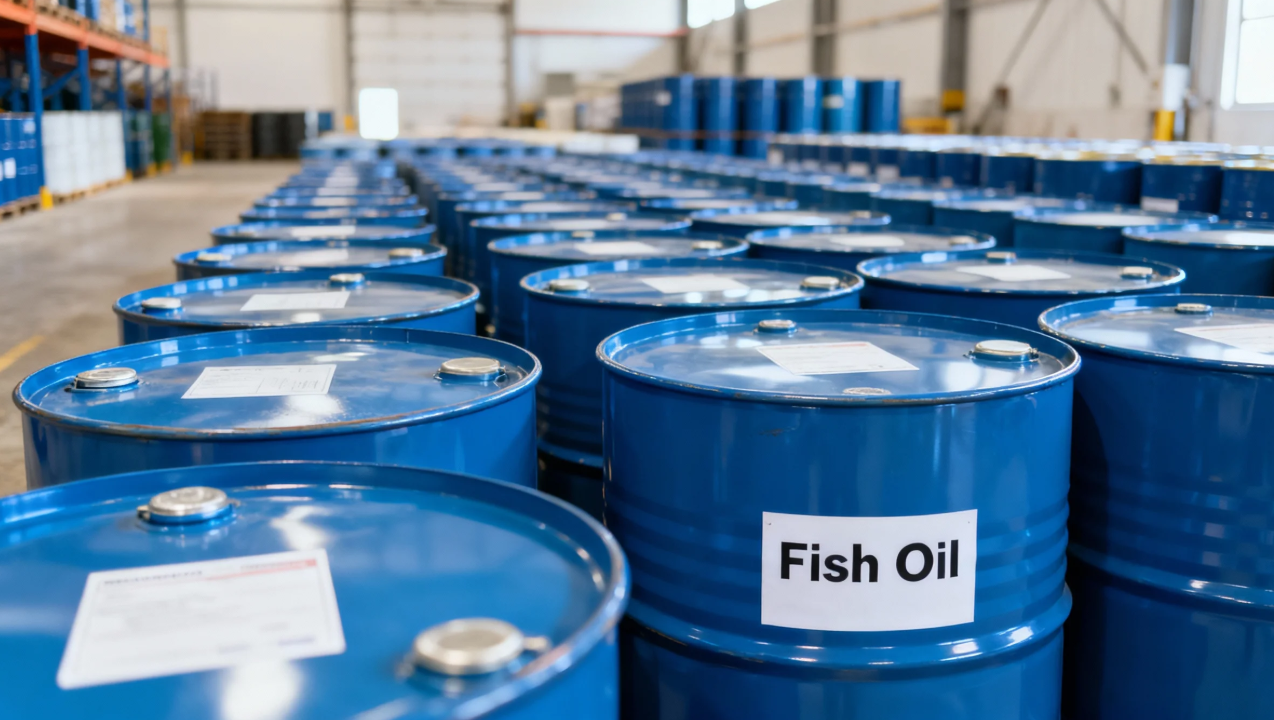
Both crude and refined fish oil can be exported in:
-
Flexitank (21–22 MT)
-
IBC tank (1 MT)
-
Steel drum (190–200 kg)
-
ISO tank (20–25 MT)
Refined fish oil is usually shipped in sealed drums or IBCs to maintain purity.
⭐ 8. Conclusion
Crude and refined fish oil serve very different purposes in the global supply chain. Crude oil provides cost-effective energy for feed and biodiesel production, while refined oil meets the high purity standards required for food, supplements, and cosmetics.
Choosing the right grade is crucial for performance, safety, and cost efficiency.
⭐ 9. Call to Action (CTA)
Looking for high-quality Fish Oil from Vietnam?
Viet SeaFarm supplies:
-
Crude Fish Oil (Feed & biodiesel grade)
-
Refined Fish Oil (Food, cosmetic, pharmaceutical grade)
-
Export packaging: drums, IBC tanks, flexitanks, ISO tanks
-
COA, MSDS, HACCP, GMP available
📩 Contact us for the latest price & sample!
Louis – Sales Executive
📧 sale2@richmoon.com.vn
📱 +84 347 499 738
🌐 www.richmoon.com.vn
Views: 528









-490.png "Applications of Rice Bran Oil in Industrial Manufacturing – Complete 2025 Guide")