Animal Fats vs Vegetable Oils: Hidden Differences Revealed
Animal Fats vs Vegetable Oils: The Unrevealed Differences From Kitchen to Factory
When you reach for cooking oil or butter in your kitchen, you probably don’t think twice about the fundamental differences between animal fats and vegetable oils. Yet these two categories of lipids behave completely differently in your body, in the pan, and even in massive industrial reactors.
This comprehensive guide uncovers the less-discussed distinctions that nutritionists, chefs, and chemical engineers know—but most consumers don’t.
1. Chemical Structure: The Root of All Differences
At the molecular level, the gap is enormous:
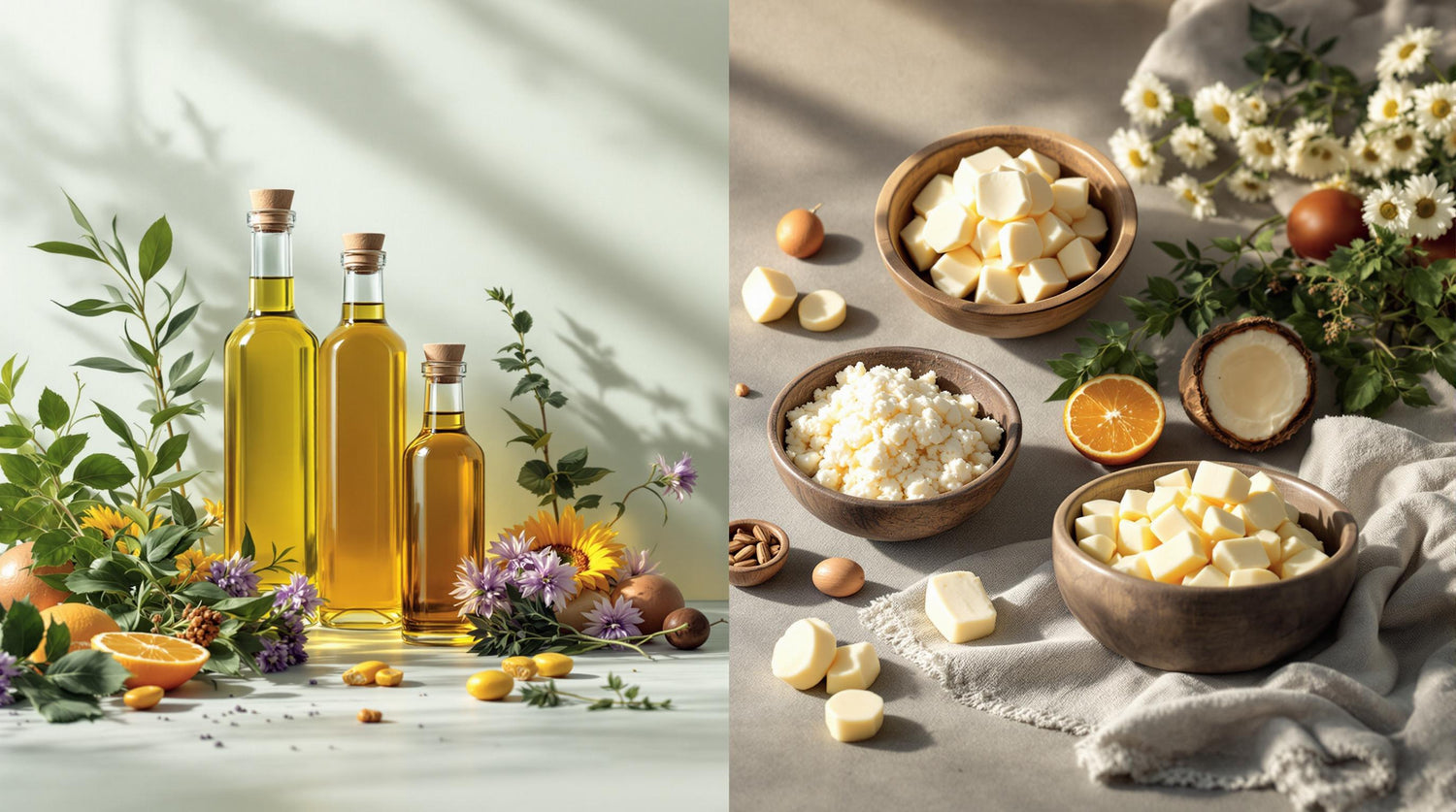
- Animal fats (lard, tallow, butterfat, fish oil) are predominantly saturated and monounsaturated fats.
→ High percentage of carbon-hydrogen bonds, no double bonds or very few.
→ Naturally stable, solid or semi-solid at room temperature.
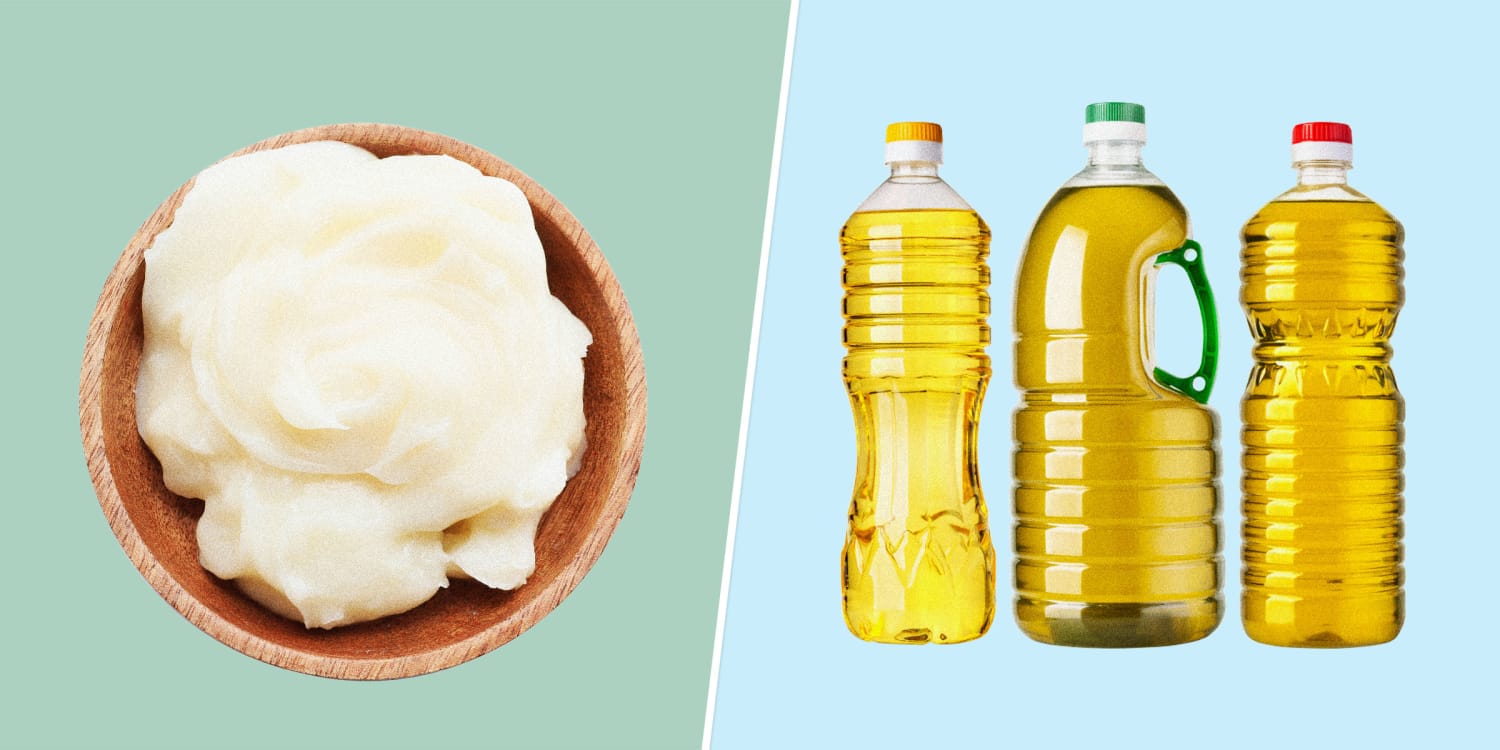
- Vegetable oils (soybean, canola, sunflower, palm, olive) are predominantly polyunsaturated (PUFA) or monounsaturated (olive, avocado).
→ Multiple double bonds → highly reactive with oxygen, light, and heat.
Key takeaway: The more double bonds, the faster an oil oxidizes and turns rancid. This single structural difference explains 90 % of practical disparities.
2. Smoke Point and Cooking Performance [It’s Not What Marketing Tells You]
Popular belief: “High smoke point = best for frying.”
Reality is more nuanced:
| Fat/Oil | Smoke Point °C | Primary Fatty Acid Profile | Real-World Frying Behavior |
| Lard | 190–205 | 40 % saturated, 45 % MUFA | Extremely stable, crispy results |
| Beef Tallow | 200–250 | 50–55 % saturated | Fast-food chains still use it secretly |
| Butter (clarified) | 200–230 | 63 % saturated | Rich flavor, minimal splatter |
| Refined Avocado Oil | 270 | 70 % MUFA | Stable but expensive |
| Extra-Virgin Olive | 165–190 | 75 % MUFA | Degrades fast above 180 °C |
| Soybean/Canola | 230–255 | 60 %+ PUFA | High smoke point but oxidizes into aldehydes |
Surprising fact: Many refined seed oils reach high smoke points only after heavy processing and chemical refining that removes natural antioxidants. Once those antioxidants are gone, toxic oxidation products (HNE, acrolein) form even below the official smoke point.
3. Oxidation Stability and Shelf Life
This is where animal fats dominate:
- Beef tallow and lard can last 12–18 months at room temperature without rancidity.
- Duck fat is prized by French chefs because it stays stable for years when refrigerated.
- Most seed oils (soybean, sunflower, corn) turn rancid within 3–6 months once opened, even with BHT/TBHQ synthetic antioxidants.
Industrial consequence: Factories that deep-fry potatoes 24/7 (think major chip brands) still prefer beef tallow or palm oil derivatives over “healthier” canola because they have to change the frying bath less often.
4. Nutritional Profile and Health Impact (Beyond the Saturated Fat Scare)
Old dogma: “Saturated fat = heart disease.”
Current 2020–2025 evidence (meta-analyses in Annals of Internal Medicine, Cochrane 2020, 2023):
- Replacing saturated fat with industrial seed oils rich in omega-6 (linoleic acid) does NOT reduce cardiovascular mortality and may increase it slightly.
- Stearic acid (abundant in tallow and dark chocolate) is neutral or beneficial.
- High omega-6/omega-3 ratio from seed oils (>20:1 in Western diets) promotes chronic inflammation.
Animal fats naturally contain:
- Fat-soluble vitamins A, D, E, K2 (especially butter and lard from pastured animals)
- Conjugated linoleic acid (CLA) in grass-fed beef tallow and butter — shown to reduce body fat in studies
- Virtually zero trans fats (unless artificially hydrogenated)
5. Flavor and Culinary Results
Animal fats deliver flavor and texture that no vegetable oil can replicate. Chefs have known this for centuries, and modern cooking still proves it every day.
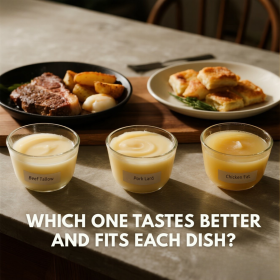
Pie crust made with leaf lard or a lard-butter blend shatters into a thousand delicate flakes and melts instantly on the tongue; vegetable shortening feels waxy and leaves a film in the mouth. Yorkshire puddings and popovers rise taller and taste richer when roasted in beef dripping. The greatest French fries on earth—whether at a Belgian friterie or a three-Michelin-star restaurant—are still cooked in beef tallow or a tallow-duck fat mix because nothing else gives that deep golden crust and creamy, almost meaty interior.

Steak seared in butter or beef tallow develops a darker, nuttier crust and leaves behind a pan fond that turns into unforgettable sauces. Duck confit bathed in its own fat for hours emerges silky and perfumed in a way olive oil can never achieve. Roast potatoes tossed in duck fat or goose fat come out of the oven with a lacquered, crackling exterior and fluffy centers that taste like the essence of chicken or duck itself.

Even in Asian kitchens, lard is the traditional choice for wok hei and crispy pork belly because it carries pork flavor into every bite. The glossy back-fat oil floating on a perfect bowl of tonkotsu ramen is pure pork fat—nothing else delivers that addictive richness.
The reason is simple: animal fats contain hundreds of natural aroma compounds—lactones, branched-chain fatty acids, milk solids in butter—that bloom during cooking. Refined seed oils have been stripped of almost everything except the triglycerides, so they stay neutral and nearly flavorless.
When flavor and texture are the entire point of the dish, animal fats remain undefeated. Keep good butter, clean leaf lard, and a jar of beef tallow or duck fat in your kitchen and you’ll instantly cook like the best restaurants and grandmothers once did.
6. Industrial and Commercial Applications
Despite decades of marketing pushing “heart-healthy” vegetable oils, global industry quietly tells a very different story. In factories, refineries, and R&D labs, performance, cost, and shelf-life still matter more than ideology — and animal fats keep winning key battles.
| Application | Preferred Fat | Reason |
|---|---|---|
| Deep frying (large scale) | Beef tallow, palm oil | Longest fry life, lowest polar compound buildup |
| Soap & candle making | Tallow | Hard bar, clean burn |
| Biodiesel production | Used cooking oil + animal fat | Higher energy density than soy methyl ester |
| Cosmetics & pharmaceuticals | Lanolin, tallow derivatives | Superior skin penetration |
|
Oreo-type cookies |
Partially hydrogenated oils replaced… often with palm + beef fat blends |
|
Real-World Examples You’ve Probably Eaten This Week
- Major European crisp (potato chip) brands still use 20–50 % beef tallow in the frying blend — it’s declared simply as “vegetable oils and animal fats.”
- Oreo-type sandwich cookies in many countries switched back to beef fat + palm blends after the trans-fat ban because 100 % palm gave poor mouthfeel.
- McDonald’s, KFC, and Popeyes in several Asian and Middle Eastern countries never fully abandoned beef tallow or tallow-shortening blends for fries and pies.
- Nestlé, Unilever, and Ajinomoto purchase millions of tons of rendered animal fats annually for seasonings and processed foods.
Economic Reality in 2025
- Rendered beef tallow (food-grade): ≈ $1,100–1,400 USD/metric ton
- Refined soybean oil: ≈ $950–1,200 USD/metric ton → The tiny price difference is easily offset by 30–50 % longer fry life and fewer oil changes.
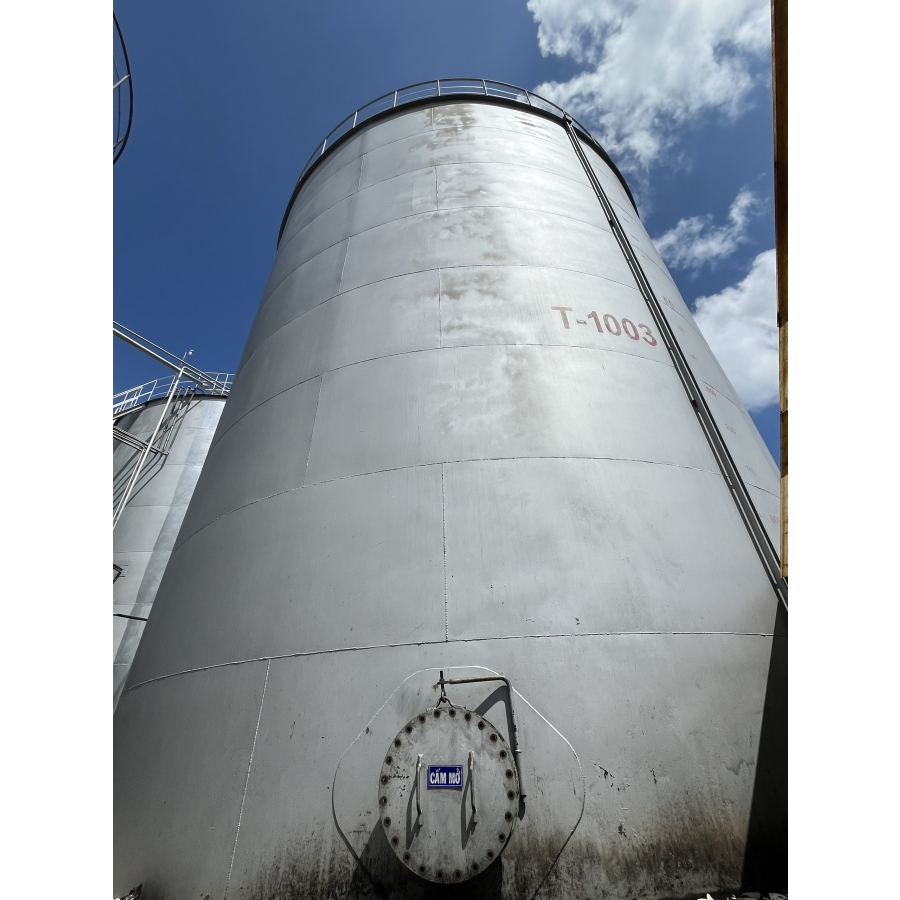
While consumers are told to fear animal fats, the same companies selling “vegetable oil only” products at the supermarket are quietly buying tanker loads of tallow and lard for their factories. Performance still trumps marketing when billions of dollars are on the line.
7. Environmental and Ethical Considerations
This is where vegetable oils lose ground:
- Palm oil → deforestation and orangutan habitat loss
- Soybean & canola → monoculture, heavy pesticide use, GMO dominance
- Annual crops require replanting + fertilizer every year
Animal fats:
- Often by-products of the meat industry (tallow from rendering)
- Grass-fed systems can be regenerative
- Perennial: one cow produces fat for years
8. How to Choose in 2025: Practical Decision Tree
For high-heat cooking → Lard, ghee, or avocado oil
For salads & cold use → Extra-virgin olive oil or cold-pressed flax
For baking → Butter or lard (best texture)
For deep frying at home → Beef tallow or refined coconut oil
Want maximum nutrient density → Pastured butter, suet, or duck fat
Final Verdict: There Is No Universal “Best” Fat
Animal fats win on:
- Oxidative stability
- Flavor
- Industrial durability
- Natural vitamin content
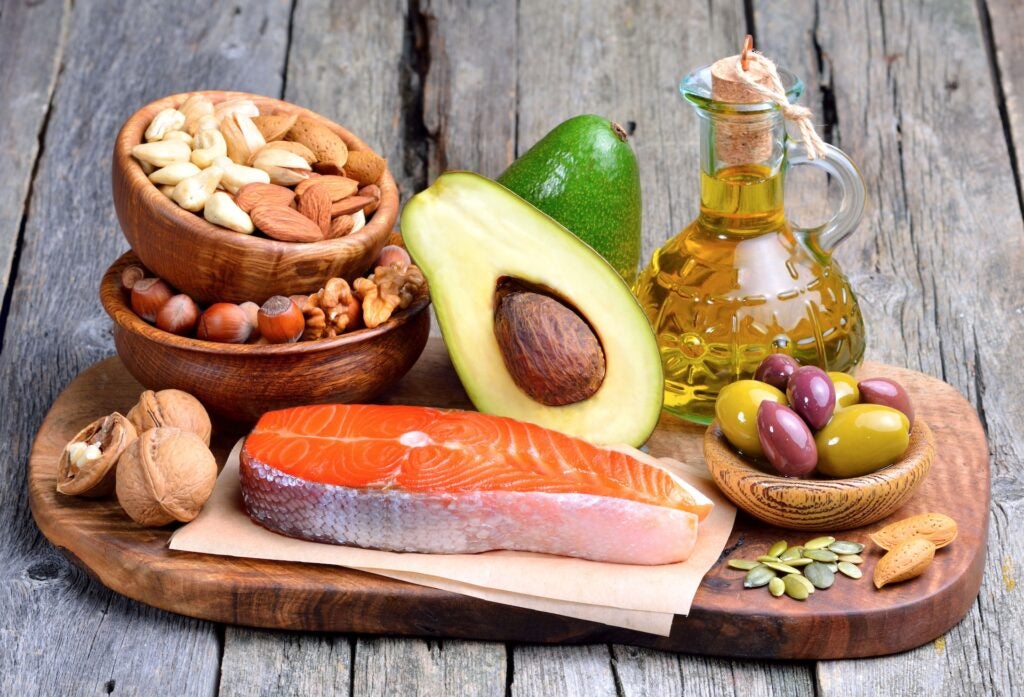
Vegetable oils win on:
- Vegan/religious acceptability
- Lower cost at scale
- Higher smoke points after refining
The real enemy isn’t saturated fat or vegetable oil per se — it’s heavily processed, repeatedly heated, omega-6-laden industrial seed oils consumed in excess. Choose minimally processed fats from either kingdom, match the fat to the cooking method, and your food will taste better while your body thanks you.
What’s your go-to cooking fat? Drop a comment below — I answer every single one.
Save this guide — you’ll refer to it every time someone says “butter is bad” or “seed oils are healthy.”
Views: 1884


-490.png "Applications of Rice Bran Oil in Industrial Manufacturing – Complete 2025 Guide")