🌴 Common Impurities in Crude Coconut Oil and How Manufacturers Remove Them
🌴 Common Impurities in Crude Coconut Oil and How Manufacturers Remove Them
Learn about common impurities in crude coconut oil—moisture, sediments, FFA, odor compounds—and how manufacturers remove them using filtration, settling, and refining.
📌 Introduction
Crude Coconut Oil (CCO) is widely used in soap making, oleochemicals, animal feed, and industrial applications. However, because it is extracted directly from copra, the oil naturally contains various impurities that affect color, stability, odor, and shelf life.
Understanding these impurities—and how manufacturers remove them—is essential for buyers who want consistent quality and stable supply.
🧪Common Impurities Found in Crude Coconut Oil
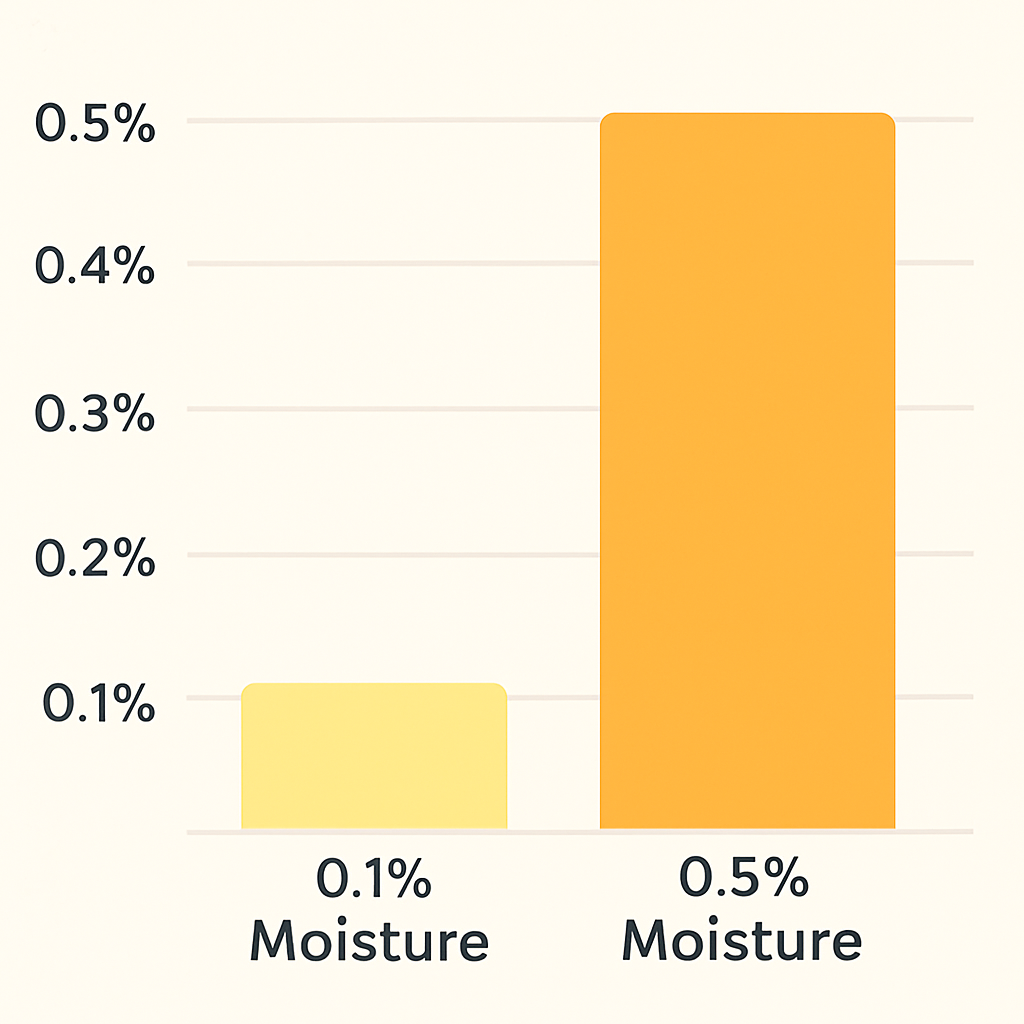
1. Moisture (Water Content)
💧 Why it appears:
Moisture comes from inadequately dried copra or condensation during storage.
⚠️ Why it matters:
-
Accelerates oxidation
-
Causes hydrolysis → increases FFA
-
Promotes microbial growth
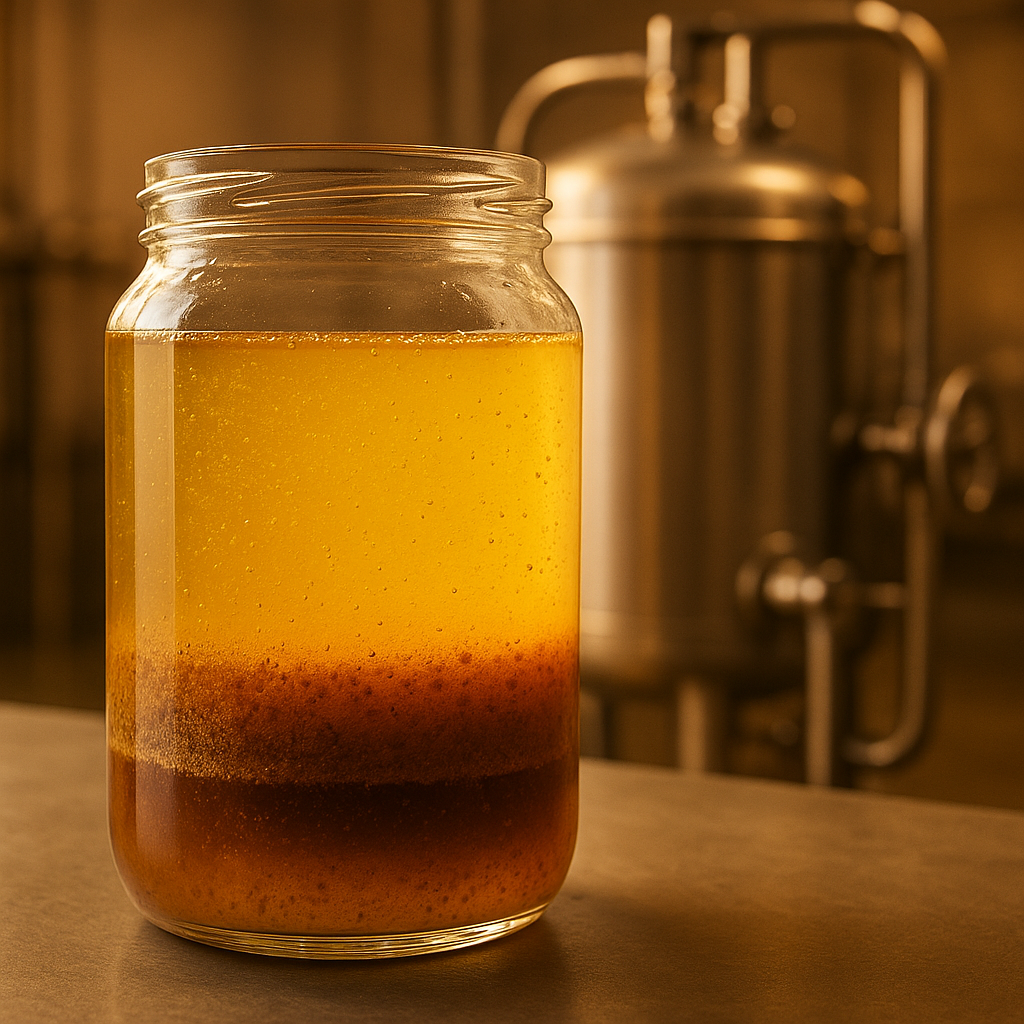
2. Sediments & Insoluble Solids
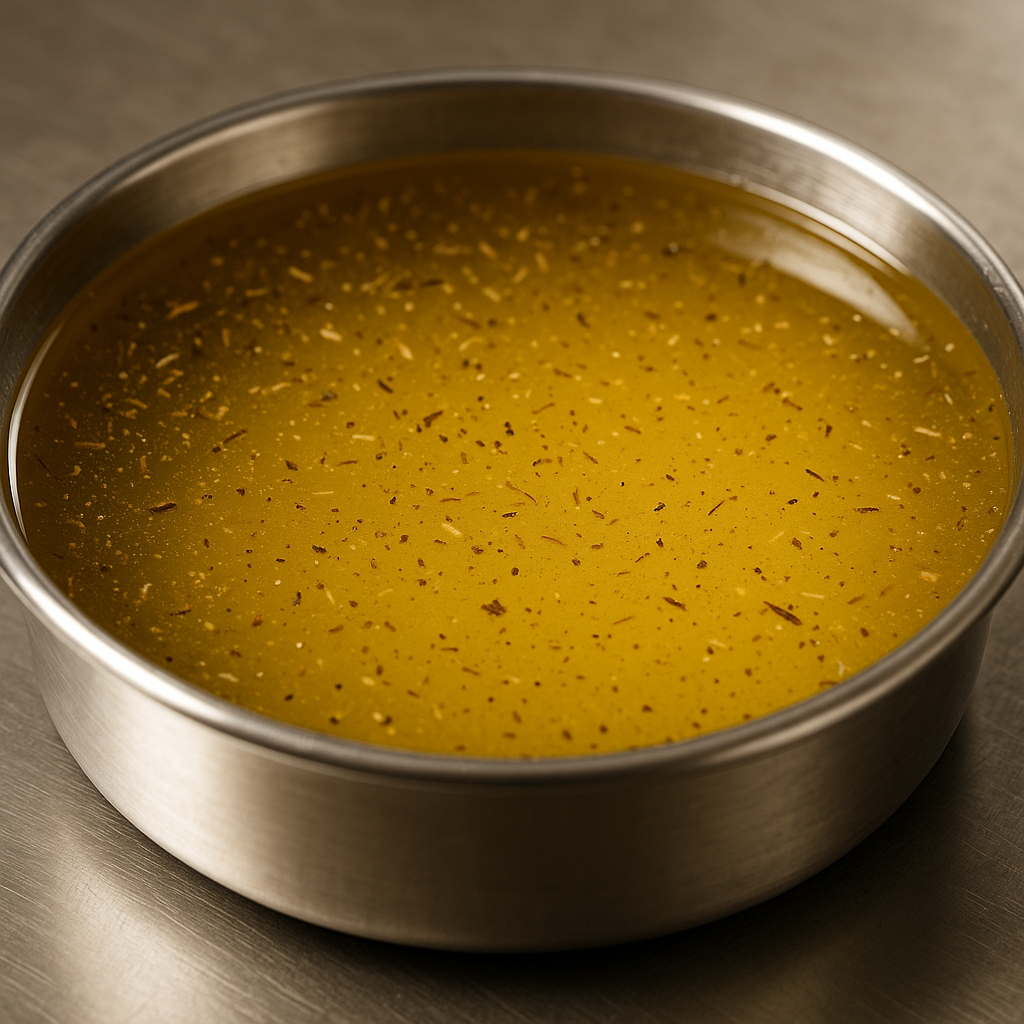
🟫 What it includes:
-
Coconut meat fibers
-
Dust from copra drying yards
-
Small brown particles
⚠️ Impact:
-
Reduces clarity
-
Makes oil appear darker
-
Settles at the bottom of drums
3. High Free Fatty Acids (FFA)
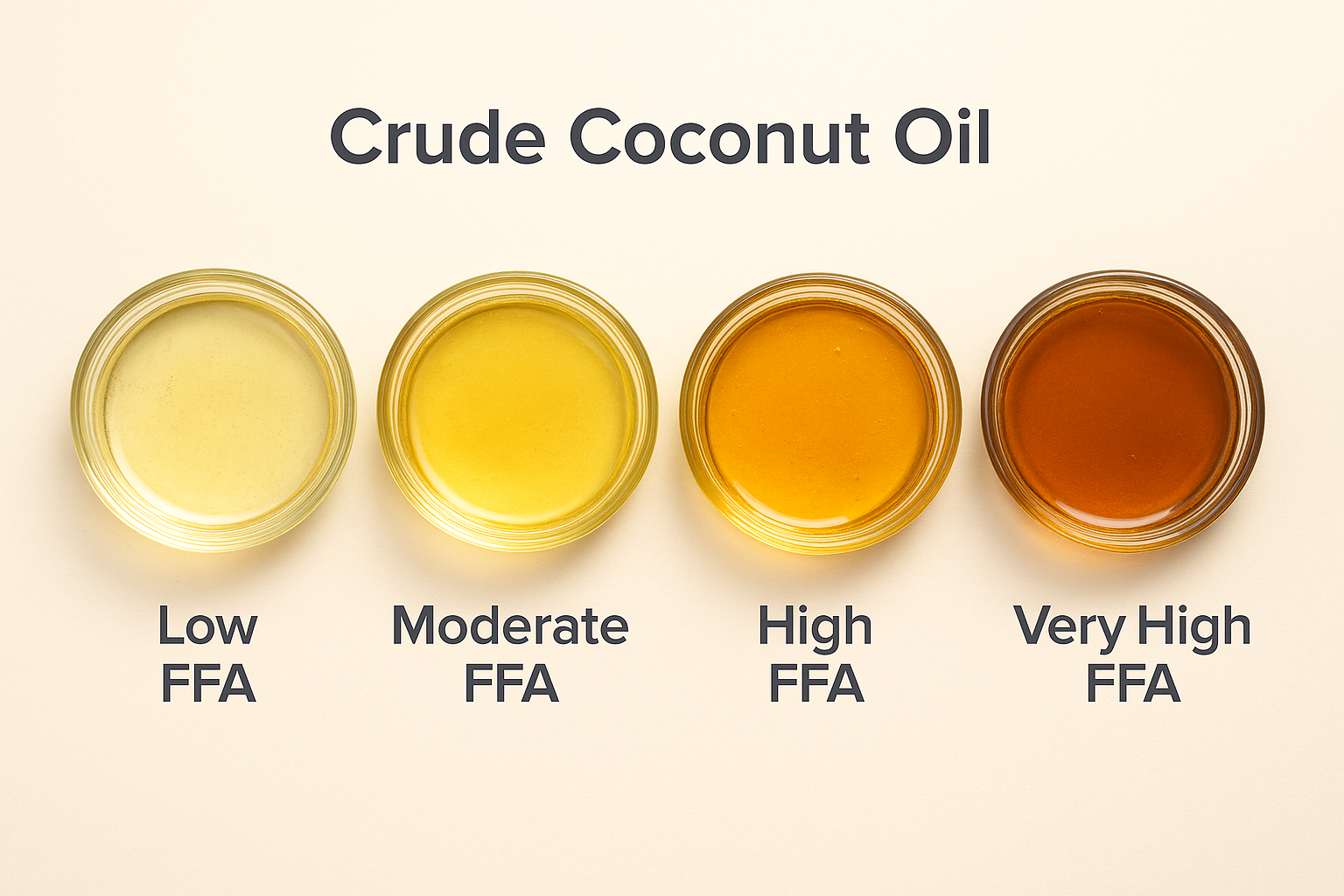
🔥 Why FFA increases:
-
Poor-quality or moldy copra
-
Long storage time before pressing
-
High moisture in raw material
⚠️ Problems caused:
-
Strong odor
-
Shorter shelf life
-
Darker yellow to brownish color
4. Volatile Odor Compounds
🌫️ Sources:
-
Smoke from fire-drying copra
-
Fermentation during copra storage
-
High-temperature pressing
⚠️ Effects:
-
Gives CCO a strong nutty or smoky aroma
-
Requires refining if used for cosmetics/food
5. Residual Metals from Equipment
🔩 Trace levels may come from:
-
Pressing machinery
-
Steel pipes
-
Storage tanks
⚠️ Impact:
-
Can accelerate rancidity
-
Not suitable for food-grade applications
🛠️ How Manufacturers Remove These Impurities
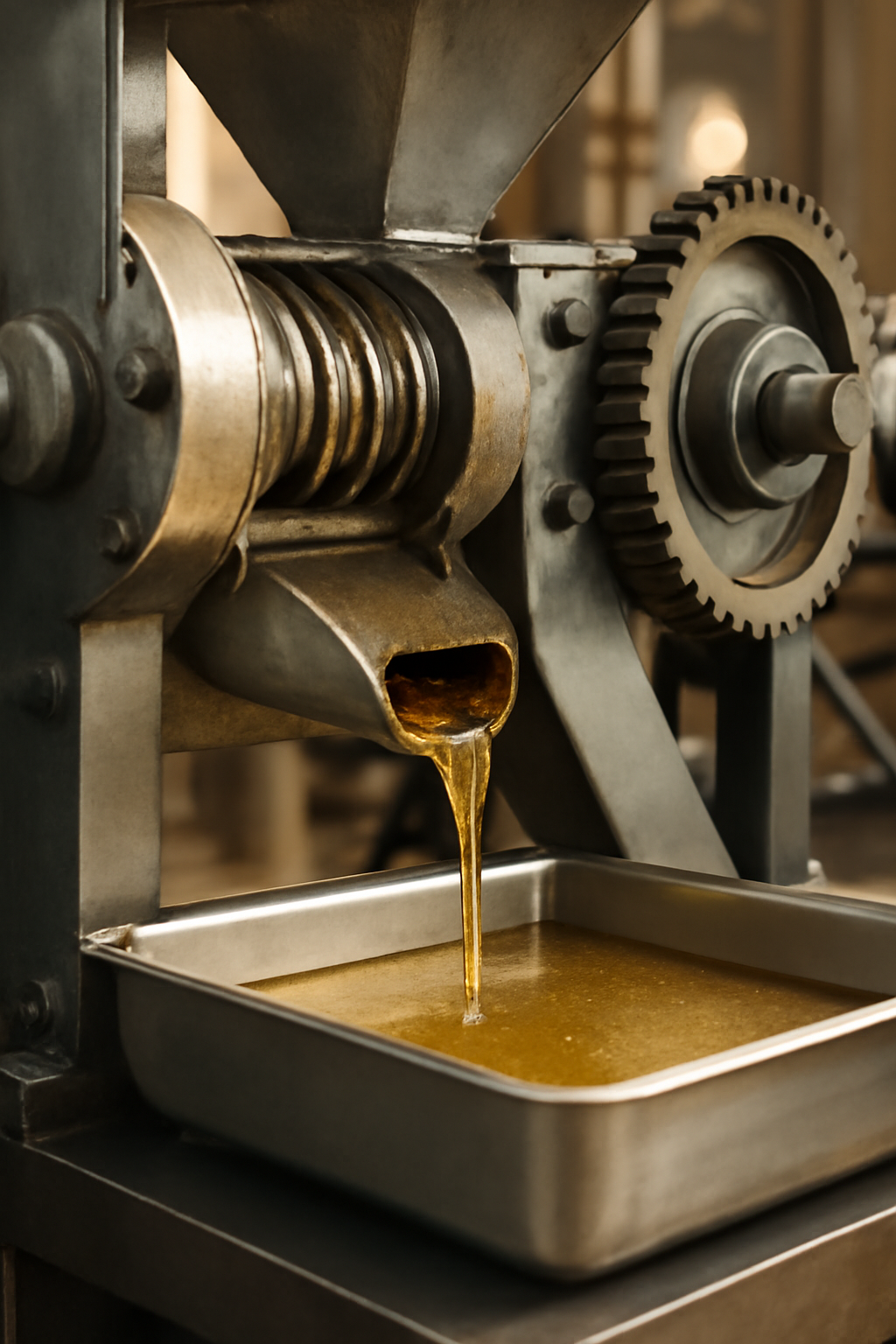
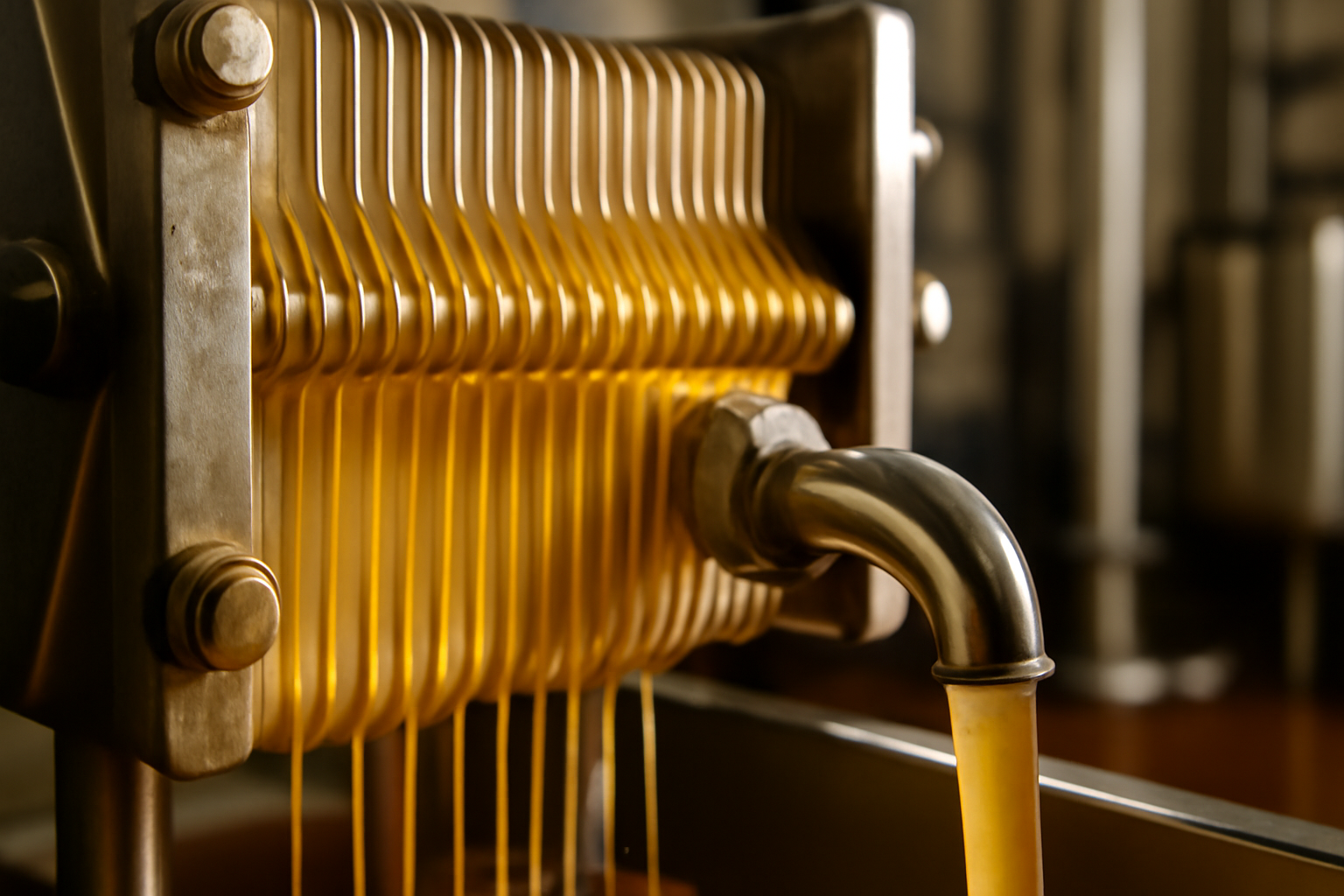
1. Primary Filtration (Mechanical Filtration)
🧽 Method:
Oil passes through mesh screens or plate filters to remove solids.
✨ Removes:
-
Fibers
-
Dust
-
Small particles
2. Settling & Decantation (Natural Separation)
🛢️ Method:
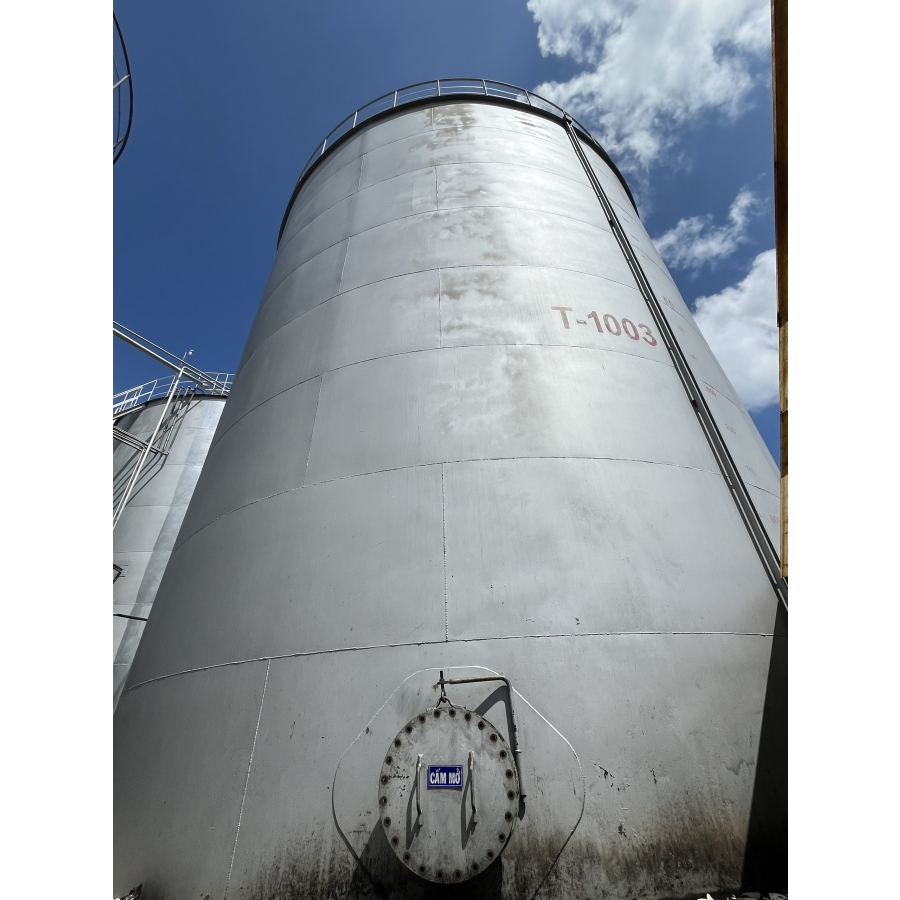
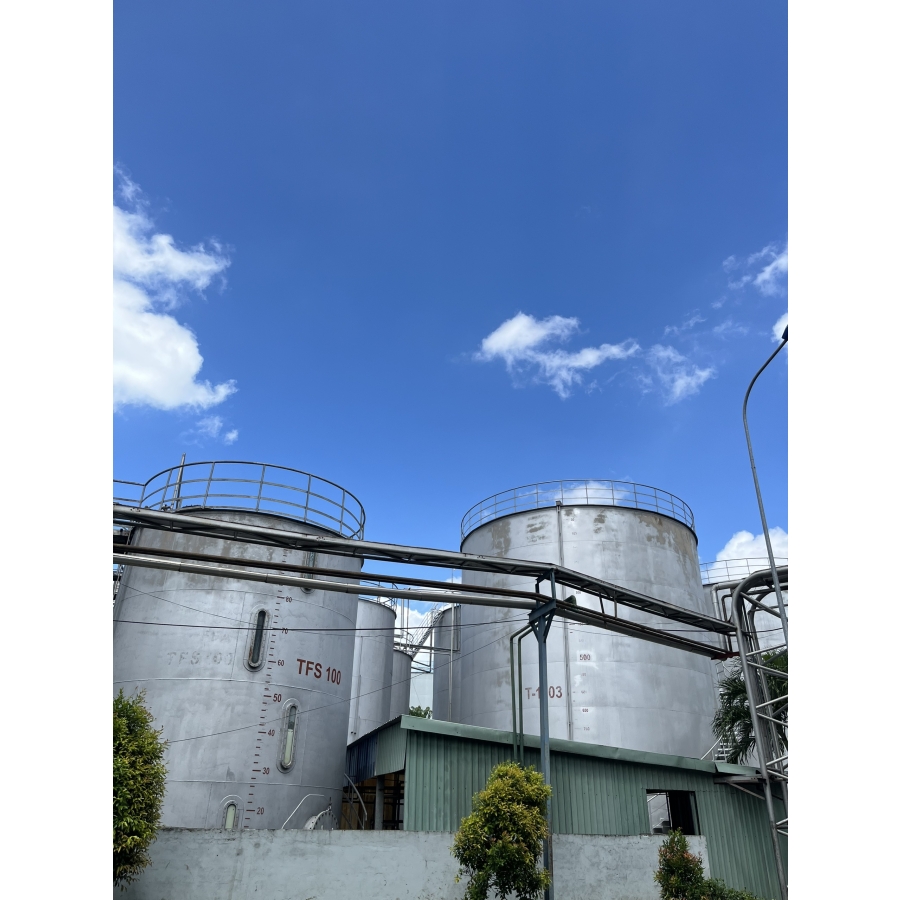
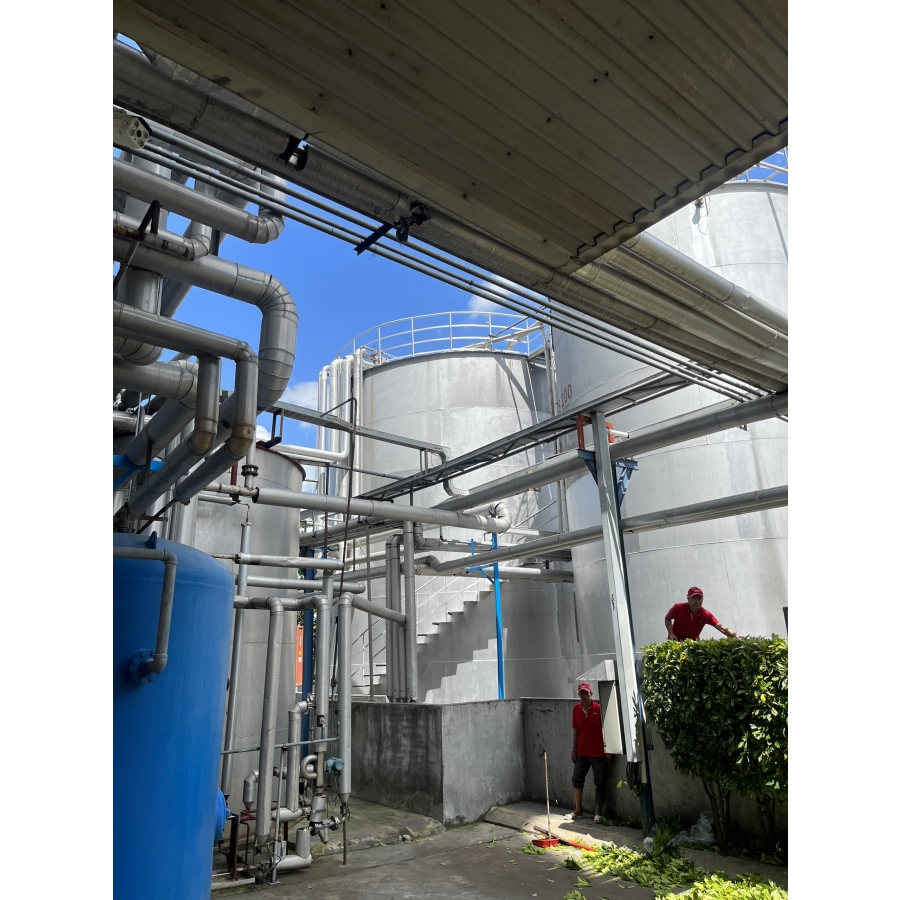
Oil is stored in large tanks for 24–72 hours so sediments naturally settle.
✨ Removes:
-
Heavy particles
-
Muddy deposits
-
Bottom sludge
 .
.
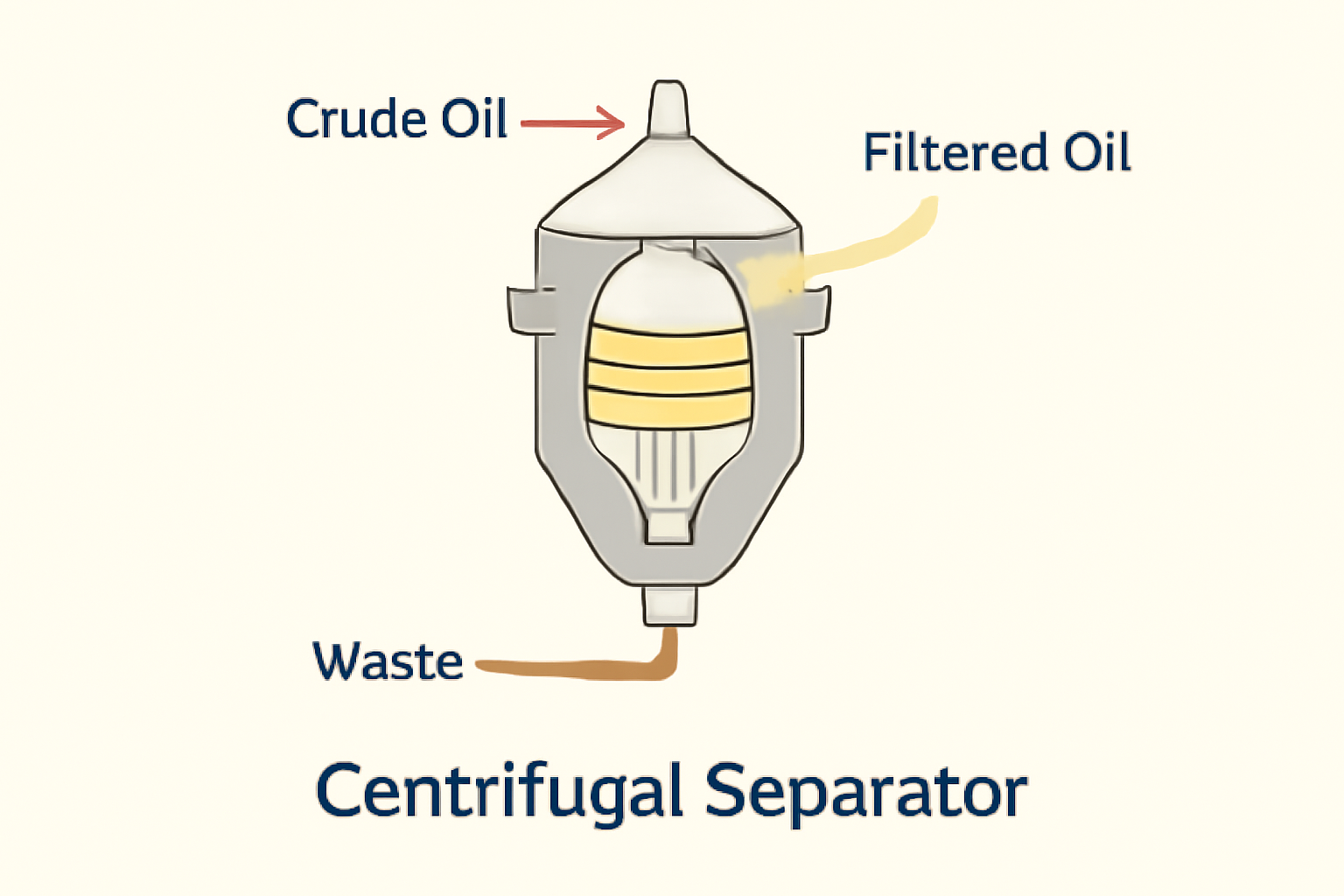
3. Centrifugation (Advanced Facilities)
⚙️ Method:
High-speed centrifuge spins oil to separate moisture and impurities.
✨ Best for:
-
Lowering moisture
-
Removing micro-sediments
-
Preparing oil for semi-refining
4. Heating & Dehydration
🔥 Method:
Gentle heating evaporates excess moisture.
✨ Removes:
-
Water content
-
Microorganisms caused by moisture

5. Neutralization & Full Refining
🧴 Method:
Used when buyers need semi-refined or RBD coconut oil.
✨ Improves:
-
Color
-
Odor
-
Stability
-
FFA reduction
📦 Why Removing Impurities Is Essential
✔️ Longer shelf life
✔️ Better color and clarity
✔️ Lower FFA – higher stability
✔️ Suitable for cosmetic and oleochemical industries
✔️ Prevents rancidity during shipping and storage
❓ FAQ – Impurities in Crude Coconut Oil
1. Why is crude coconut oil sometimes dark yellow or amber?
Because of high FFA, smoke-dried copra, or suspended impurities.
2. Can crude coconut oil be used without refining?
Yes, for soap and industrial use. Cosmetics/food require refining.
3. What impurity affects shelf life most?
Moisture and high FFA.
4. How do exporters keep oil stable during shipment?
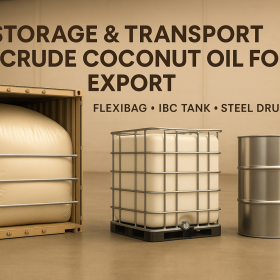
By filtration, settling, and dehydrating before packing into drums/IBC/flexibags.
About Rich Moon
Rich Moon exports Crude Coconut Oil with consistent quality, stable supply capacity, and sustainable sourcing to customers across Asia, Africa, and Europe.
We provide multiple packaging options (Drums, IBC Tanks, Flexibags) and support full export documentation for global shipments.
Contact us for quotation:
Nora – Sales Executive
📧 Email: sale5@richmoon.com.vn
📱 Mobile/WhatsApp/WeChat: +84 964 279 454
🌐 Website: www.richmoon.com.vn
📍 Address: 270/4i Le Dinh Can Street, Tan Tao Ward, Ho Chi Minh City, Vietnam.
Views: 497









-490.png "Applications of Rice Bran Oil in Industrial Manufacturing – Complete 2025 Guide")